



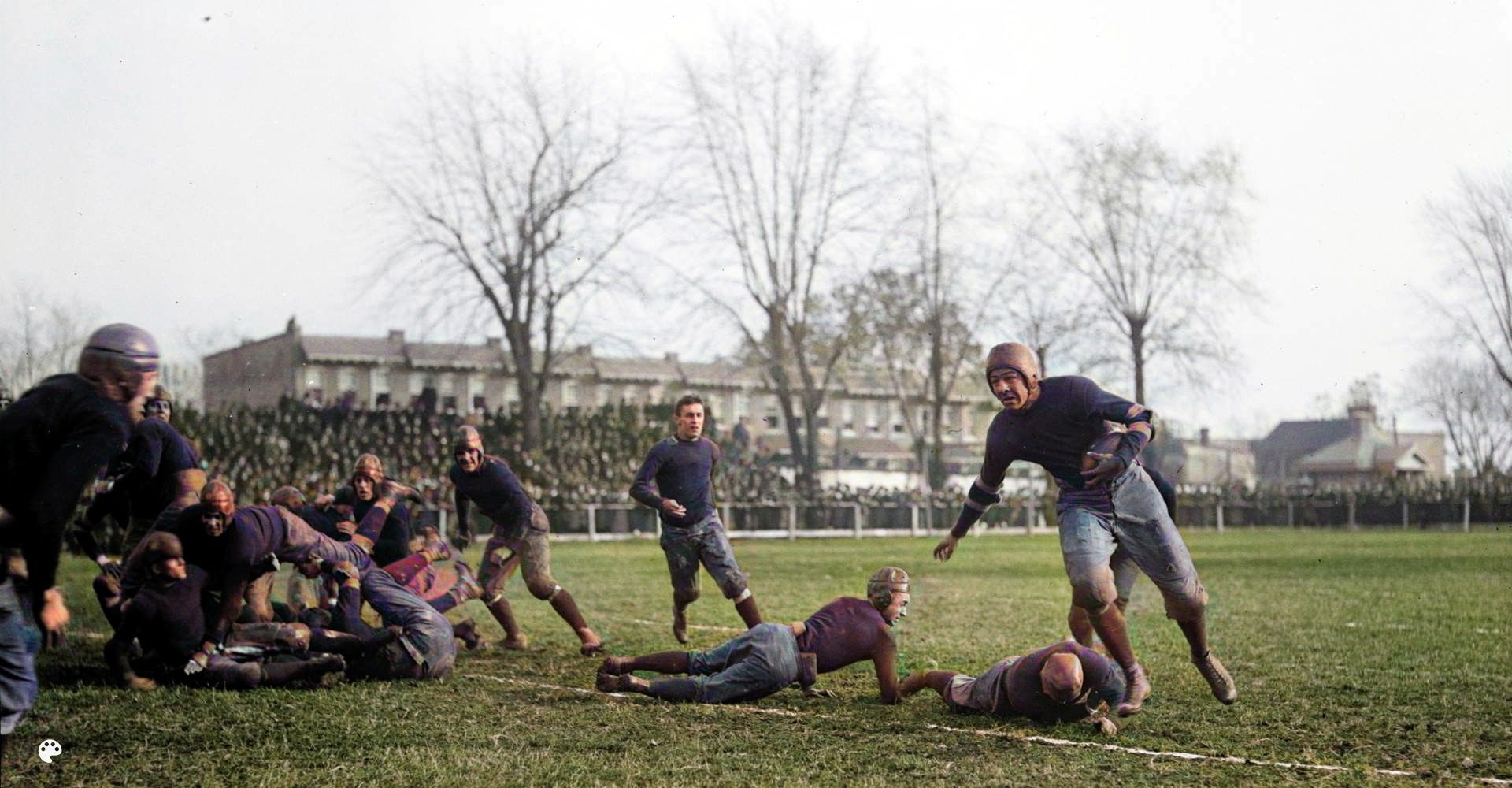
Sports & Leisure
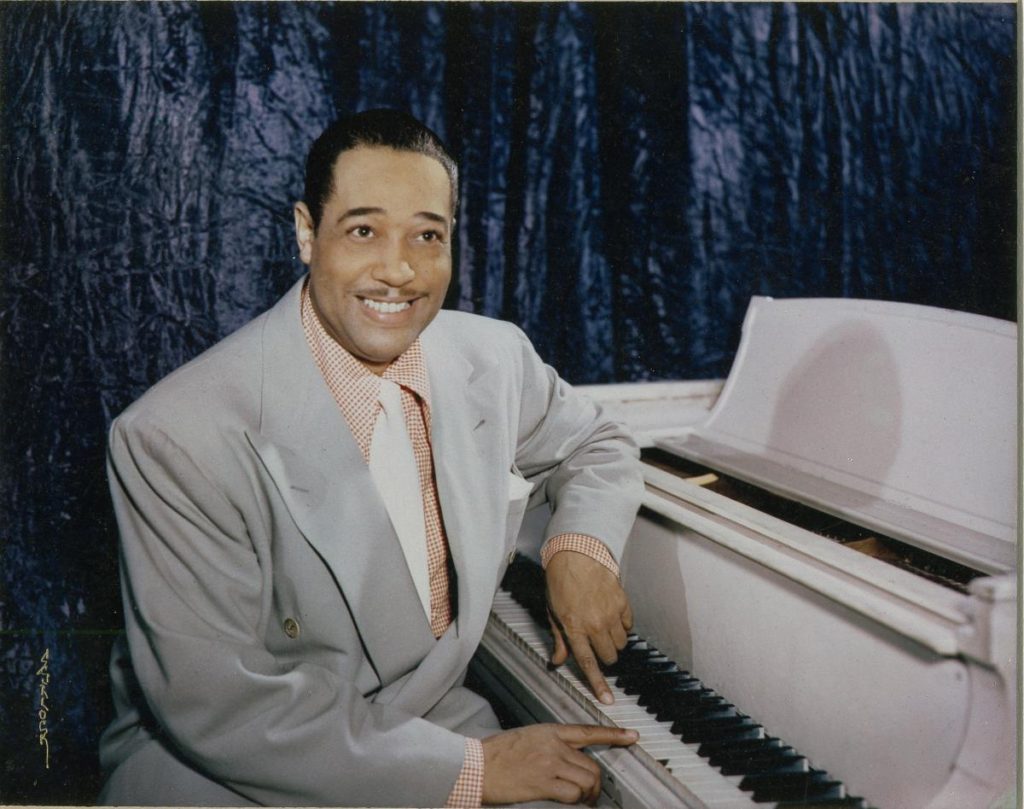
The 1920s is also known as the Jazz era. With the music industry just beginning the likes of Louis Armstrong and Duke Ellington were hugely popular. Art changed with the start of the Art Deco influence. This was seen through stained glass windows all the way to architecture. Famous architects include Frank Lloyd Wright and the design company Bauhaus who structured buildings and interiors with linear lines. The Art Deco influences gave clear inspiration to twenties fashion: the structured lines, squares, and pyramid shapes from the architecture can be clearly identified in the style of the short, drop-shouldered dresses popular for the period.+
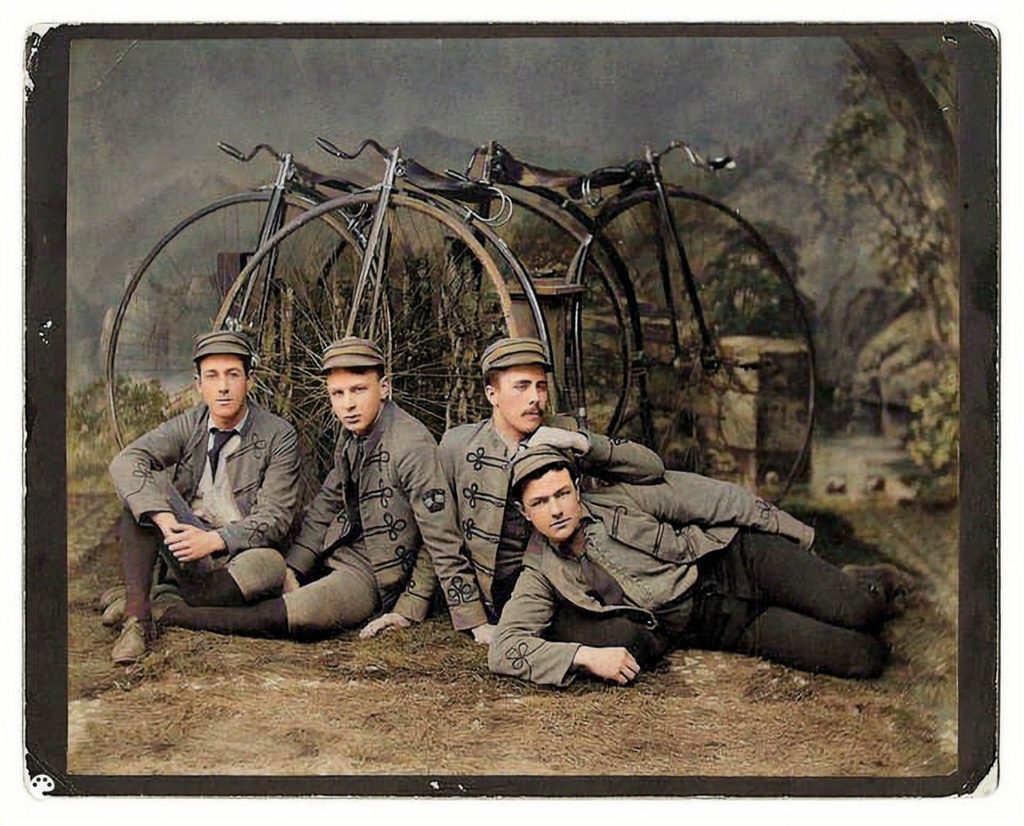
A Bicycle Built for Two was a popular love song composed in 1892 – in the happier and more carefree days once known as the “Gay-90’s.” It was a peaceful time – before the automobile – when the bicycle beat out the horse as the best way to get around. The bicycle became part of a grassroots recreation movement, with people using leisure time to get out of the city and into the country. In the 1880s, High-wheel bicycles had been new and popular. Even though they were heavy, made of iron and wood, and dangerously hard to ride. now know how the bicycle emancipated women, but it wasn’t exactly a smooth ride. The following list of 41 don’ts for female cyclists was published in 1895 in the newspaper New York World by an author of unknown gender. Equal parts amusing and appalling, the list is the best (or worst, depending on you look at it) thing since the Victorian map of woman’s heart. Don’t be a fright. Don’t faint on the road. Don’t wear a man’s cap. Don’t wear tight garters. Don’t forget your toolbag Don’t attempt a “century.” Don’t coast. It is dangerous. Don’t boast of your long rides. Don’t criticize people’s “legs.” Don’t wear loud hued leggings. Don’t cultivate a “bicycle face.” Don’t refuse assistance up a hill. Don’t wear clothes that don’t fit. Don’t neglect a “light’s out” cry. Don’t wear jewelry while on a tour. Don’t race. Leave that to the scorchers. Don’t wear laced boots. They are tiresome. Don’t imagine everybody is looking at you. Don’t go to church in your bicycle costume. Don’t wear a garden party hat with bloomers. Don’t contest the right of way with cable cars. Don’t chew gum. Exercise your jaws in private. Don’t wear white kid gloves. Silk is the thing. Don’t ask, “What do you think of my bloomers?” Don’t use bicycle slang. Leave that to the boys. Don’t go out after dark without a male escort. Don’t go without a needle, thread and thimble. Don’t try to have every article of your attire “match.” Don’t let your golden hair be hanging down your back. Don’t allow dear little Fido to accompany you Don’t scratch a match on the seat of your bloomers. Don’t discuss bloomers with every man you know. Don’t appear in public until you have learned to ride well. Don’t overdo things. Let cycling be a recreation, not a labor. Don’t ignore the laws of the road because you are a woman. Don’t try to ride in your brother’s clothes “to see how it feels.” Don’t scream if you meet a cow. If she sees you first, she will run. Don’t cultivate everything that is up to date because yon ride a wheel. Don’t emulate your brother’s attitude if he rides parallel with the ground. Don’t undertake a long ride if you are not confident of performing it easily. Don’t appear to be up on “records” and “record smashing.” That is sporty.
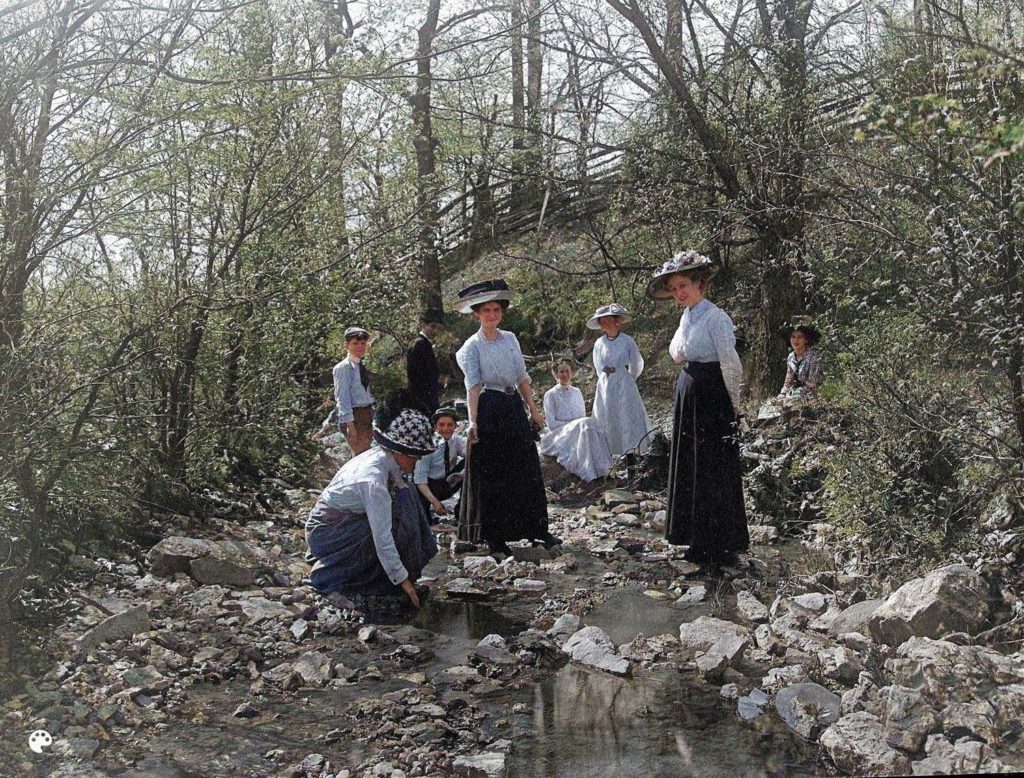
For millions of Americans who lived outside the big cities in the first part of this century, Chautauqua was one of the biggest events of every year, with its combination of adult education, moral uplift, entertainment, and a community-wide social gathering of a sort that we no longer experience. The Chautauqua idea and name came from the original Chautauqua Institution, founded in 1874 on the shore of Lake Chautauqua in western New York State and still going strong. The original Chautauqua and its early offshoots were summertime retreats of two weeks duration or more, during which adults could continue their educations with informative and inspirational lectures and performances of good music. There were also participatory exercises, such as choral singing, and special activities for the youngsters. The Chautauqua idea spread quickly, with similar assemblies established around the country in the next years. By the tum of the century, scores of Chautauquas were being held each summer. These early Chautauquas were of the so-called "independent" variety-that is, they were organized and managed locally, and the speakers and other talent were chosen and engaged by the local committee. Frederick Crane, contributor Univ.Illinois The amusement park was one of the larger establishments of its type in the Washington, D.C. area, and remained popular well into the late 1940s. It was during this time much of the Art Deco Architecture associated with Glen Echo Park was built. Art Deco represented elegance, glamour, functionality, and leisure, and was especially appropriate for the modern rides of amusement parks. For millions of Americans who lived outside the big cities in the first part of this century, Chautauqua was one of the biggest events of every year, with its combination of adult education, moral uplift, entertainment, and a community-wide social gathering of a sort that we no longer experience. The Chautauqua idea and name came from the original Chautauqua Institution, founded in 1874 on the shore of Lake Chautauqua in western New York State and still going strong. The original Chautauqua and its early offshoots were summertime retreats of two weeks duration or more, during which adults could continue their edu cations with informative and inspirational lectures and performances of good music. There were also participatory exercises, such as choral sing ing, and special activities for the youngsters. The Chautauqua idea spread quickly, with similar assemblies established around the country in the next years. By the tum of the century, scores of Chautauquas were being held each summer. These early Chautauquas were of the so-called "independent" variety-that is, they were organized and managed locally, and the speakers and other talent were chosen and engaged by the local committee. Frederick Crane, contributor Univ.Illinois
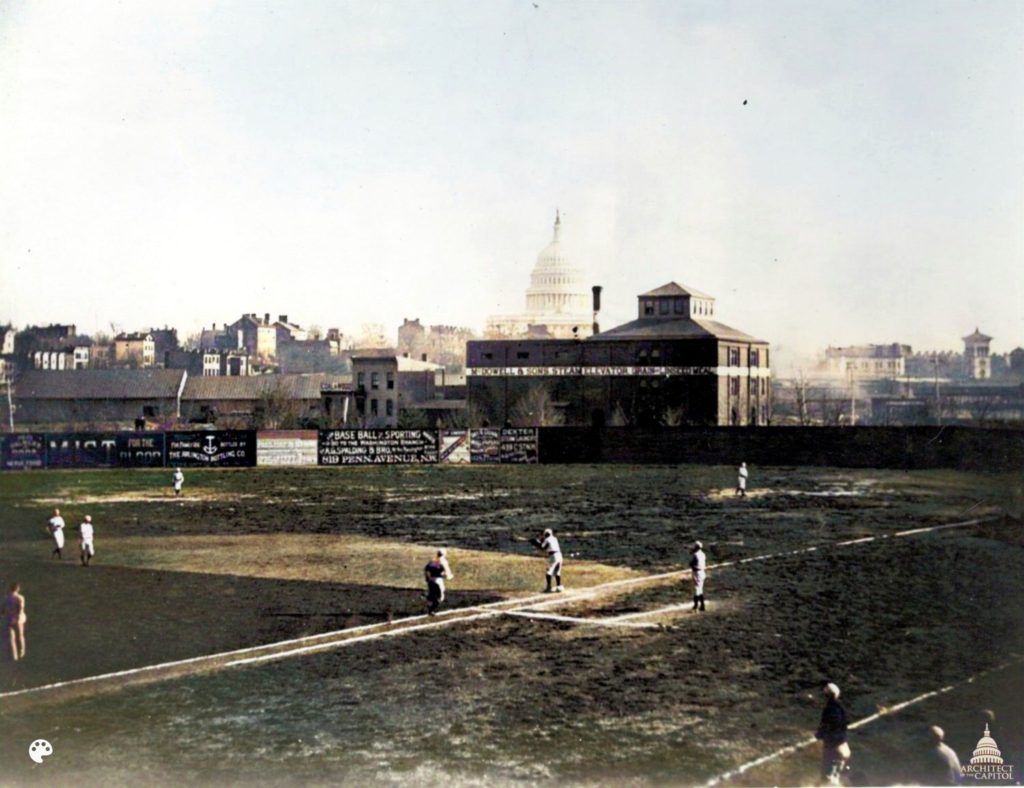
As Washington prepared for the civil war in 1859, some Washingtonians were making other plans. A group of mostly government clerks founded the Washington Base Ball Club and named it the Washington Nationals. Through tournaments, public relations efforts, newspaper coverage, and a "grand tour o the west," the Nationals gave the public something to feel positive about during the 1860s and helped make baseball an important part of American identity. In 1859, DC was a city on the verge of civil war, and the 1860 presidential election dominated the political stage and the nation's newspapers. However, the election and sectional tensions were not the only topics covered, and, in 1859, reporters were increasingly covering New York'sbaseball games and noting the creation of new teams. It was against this backdrop that a group of mostly federal government employees decided to follow their counterparts up north and form an organized baseball team--the Washington Nationals. A careful review of the activities of the Nationals during the key decade of the 1860s clearly illustrates that they were significant to the development of the national pastime.


