
Wings Over Washington: Wright Brothers Compete for U.S. Army Contract
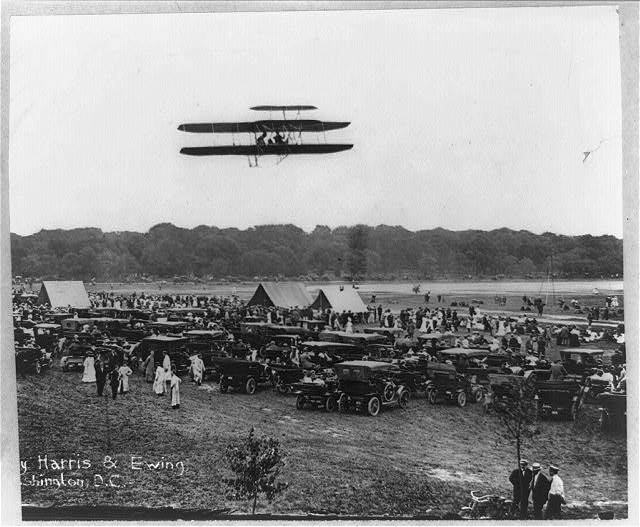
In the summer of 1908, just five years after their groundbreaking flight at Kitty Hawk, Wilbur and Orville Wright brought their revolutionary flying machine to the outskirts of Washington, D.C. The stage was Fort Myer, Virginia — a short ride from the capital — where the U.S. Army Signal Corps had summoned them to compete for the world’s first military aircraft contract. What unfolded was a high-stakes drama that blended daring innovation, public spectacle, and national ambition.
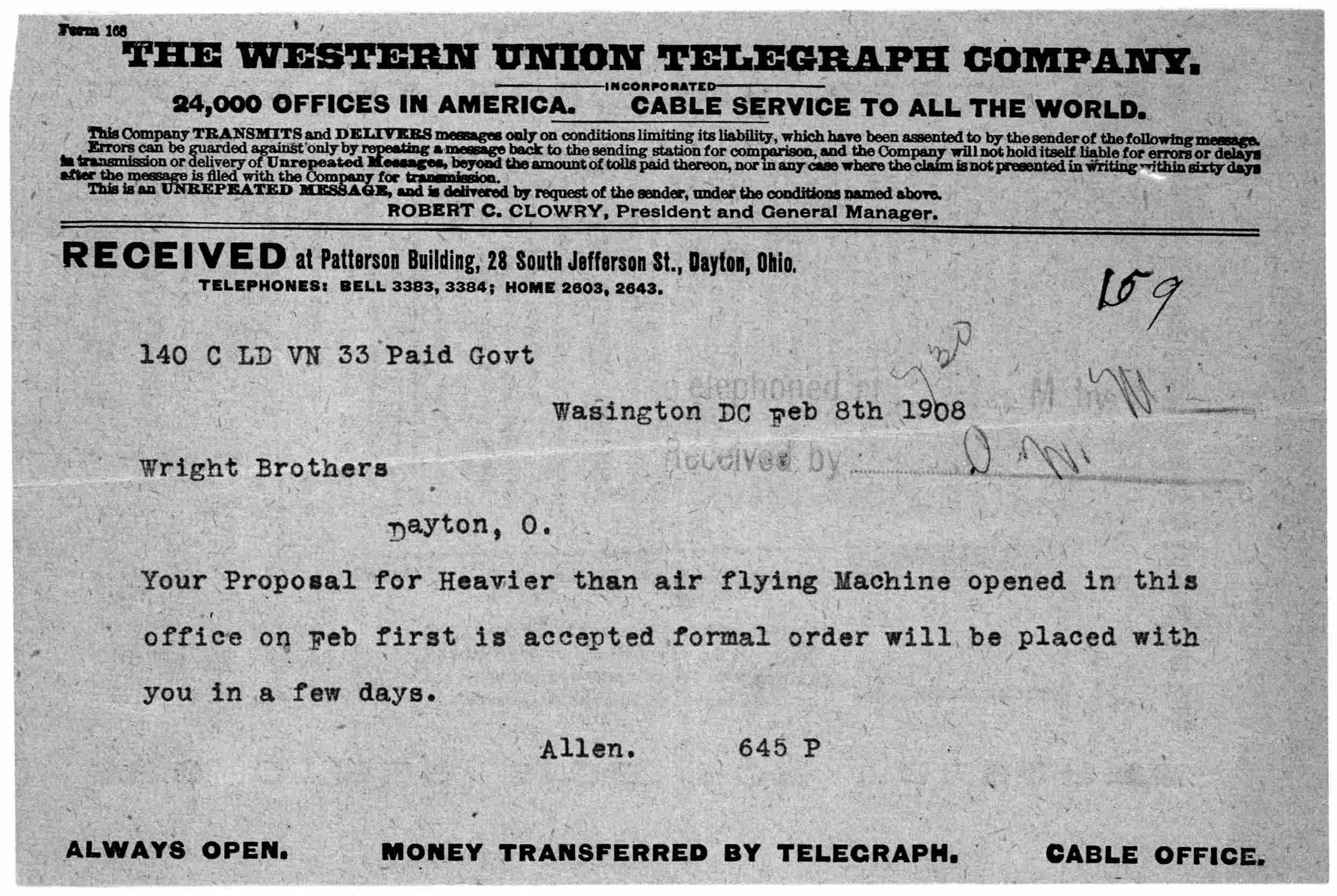
In late 1907, the Army issued ambitious specifications for a “heavier-than-air flying machine.” The requirements were audacious: carry two people, fly at least 40 miles per hour, remain aloft for a full hour, and survive a landing without major damage. Many skeptics doubted anyone could meet the specs. Yet on February 8, 1908, the Wright brothers signed the contract for $25,000 — with performance bonuses on the line.
The brothers saw the military potential early. Their invention could scout enemy positions, deliver messages, or transform warfare from the air. Fort Myer’s open parade grounds, close to the centers of power in Washington, offered the perfect proving ground.
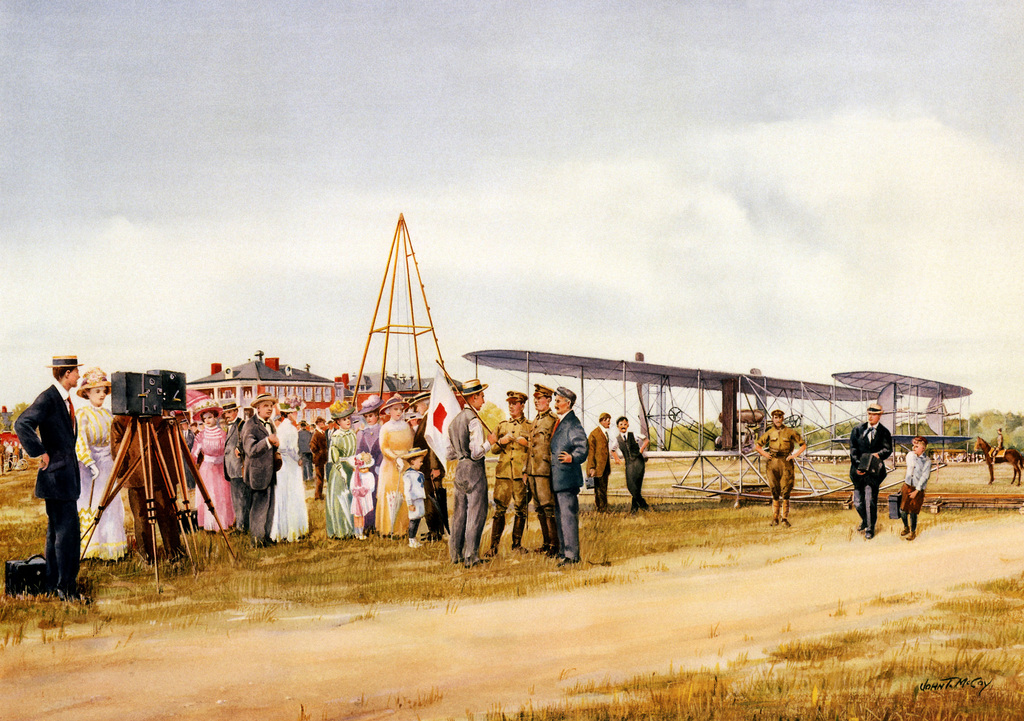
That single aircraft, the first purchased by any military, marked the dawn of American air power. The Wright brothers’ triumph near Washington, D.C., proved heavier-than-air flight was not a novelty but a practical tool for the nation’s defense. Their success at Fort Myer laid the foundation for the U.S. Army’s aeronautical division and the century of military aviation that followed.
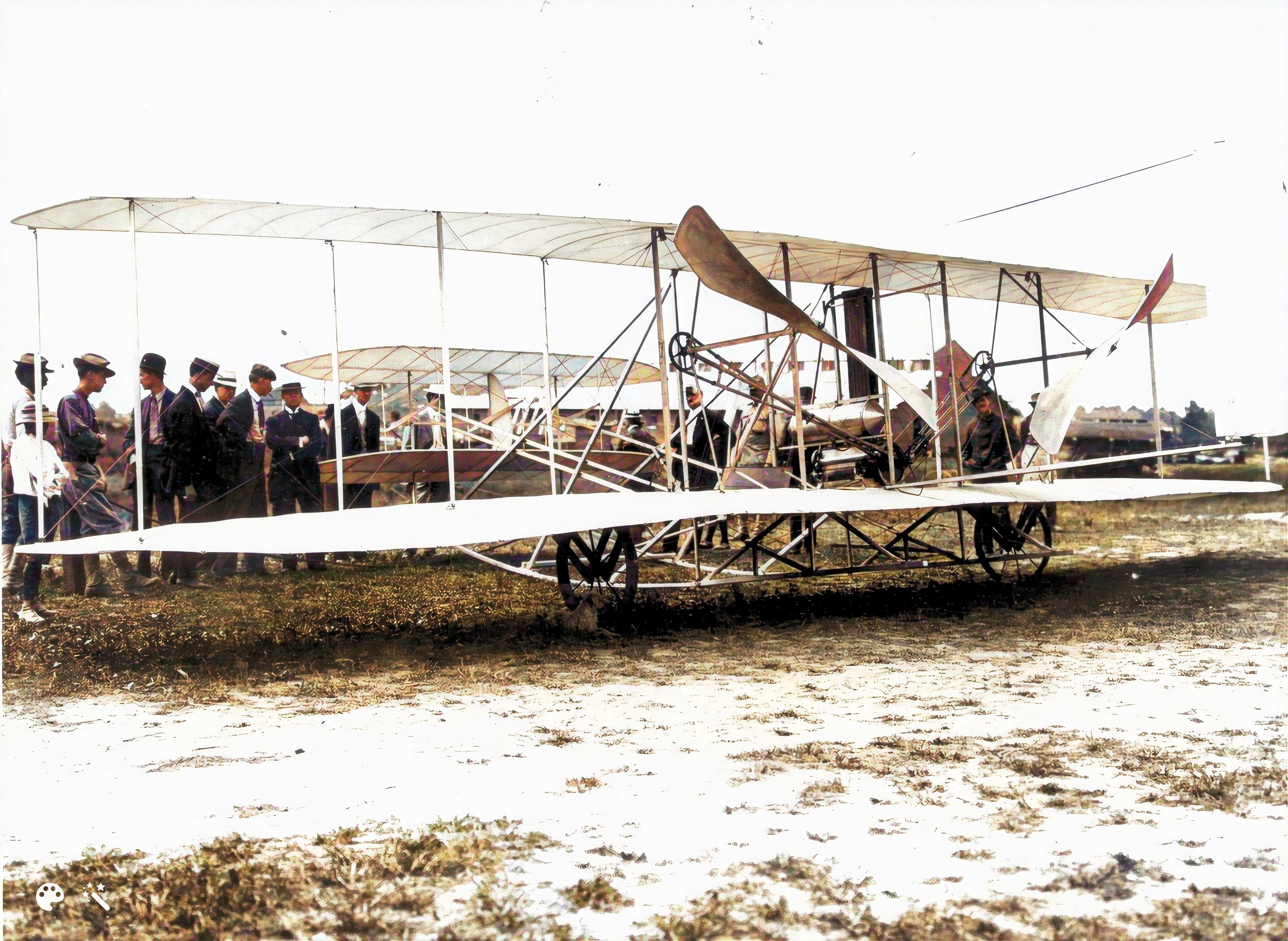
Orville Wright arrived with the aircraft in August 1908 and began public demonstrations in early September. Crowds of government officials, military brass, and curious onlookers watched in awe as he shattered endurance records, circling the field for over an hour at a time. But disaster struck on September 17: a propeller failure caused a crash that killed passenger Lt. Thomas Selfridge — the first fatal airplane accident in history — and severely injured Orville.
The trials paused, but the Wrights were undeterred. In 1909, Orville returned with a refined machine. This time, success was undeniable. On July 27, he completed a record flight exceeding the contract terms, carrying a passenger for over an hour. The Army officially accepted the aircraft — later dubbed Signal Corps No. 1 — on August 2, 1909. With an average speed of 42.5 mph, the brothers earned a $5,000 bonus, bringing the total to $30,000.
From a windswept North Carolina beach to the parade grounds outside the capital, the Wright brothers turned skepticism into history — and gave the U.S. military its wings.
Sources and Related Links